From pomodoro to time blocks

You’re almost done! Just hang in there.
Like a lot of people, I read a lot of modern wisdom literature—that is, articles and books about time management, becoming more productive, getting things done, etc. And, like a lot of people, I am a big fan of David Allen’s Getting Things Done. I have found that his process does, in fact, help me get things done.
As long as I follow the program. Note, I almost said “religiously follow the program.” That I was tempted to reach for that hackneyed adverb is an indication of how we incorporate these productivity rules emotionally.
Failure of faith is inevitable
No matter how useful the approach is, I eventually fall off, and need to have a kind of New Awakening to bring me back to GTD. Now that I write this, I realize it’s about time I did it again, to clear out the clogs, get back to my commitments, and close my loops. Knowing what your obligations are and what you need to do to satisfy them is a vanished feature of traditional societies that such productivity methods restore to us.
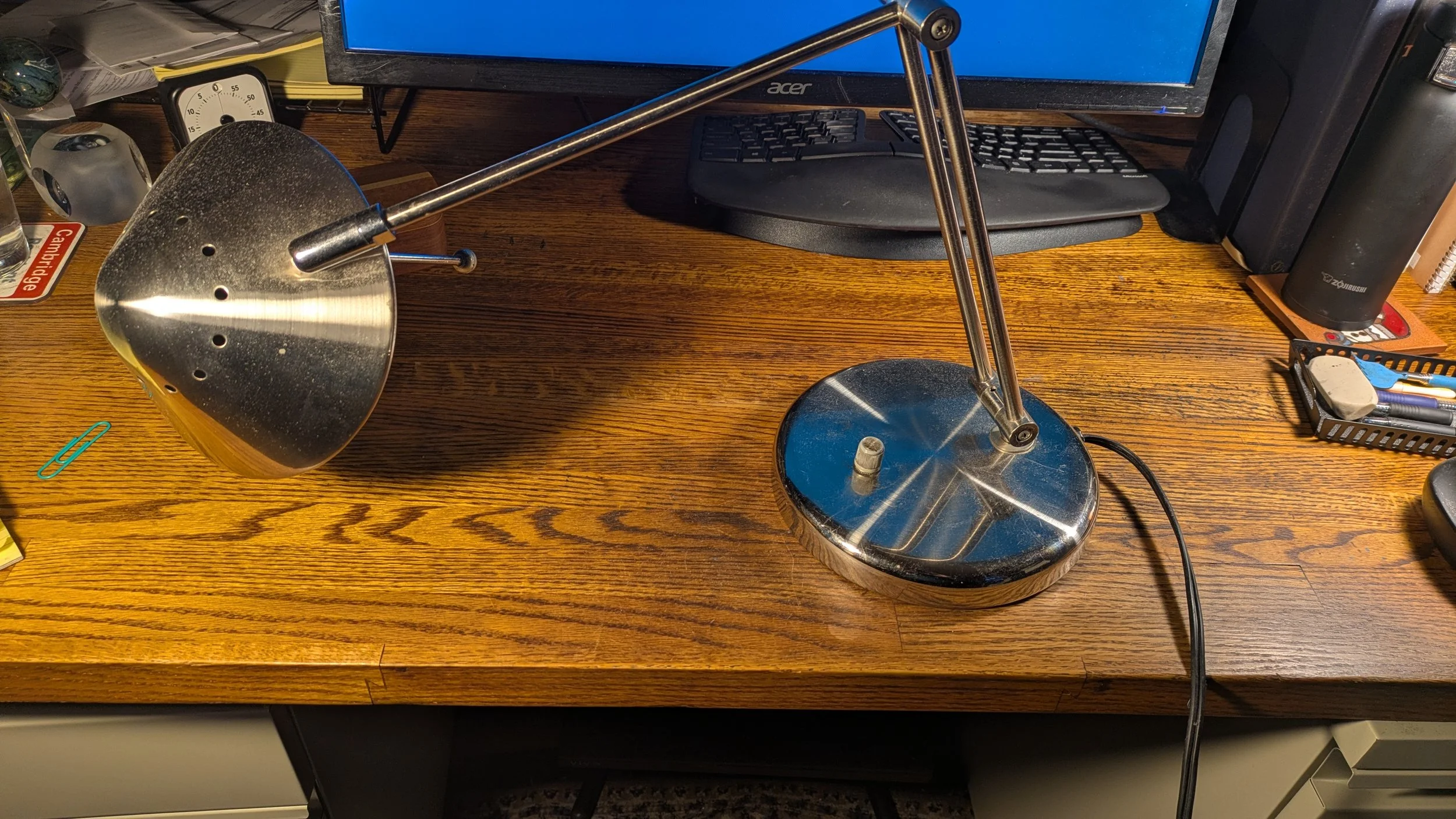
But GTD isn’t the only source of my processes. For a long time another has been using the Pomodoro Technique. Most people who strive for productivity, our era’s equivalent of spiritual perfection, are familiar with this time management approach, which involves 25-minute work periods with five-minute rest periods between, based on a manual tomato-shaped timer that I’ve never actually used. I prefer a visual timer, like the one in the blog image.
There’s more to it, but not much. I adopted it to get started on things I was putting off. The essence of the approach is that when you start, you know that, no matter what, in 25 minutes, you can stop.
I liked it so much I started using it for all of my time, even my fiction writing. As I worked on a story or other project, I’d get up at 25 minutes, move around, make the bed, put away dishes, whatever. It seemed fine. And a lot of chores got done. If you’re a writer, you can already see the symptom.
My time-management conversion experience
Then I read The Organised Writer, by Antony Johnson (I never give up), a book of time and task management specifically for writers. And Johnson points out that this means I am deliberately interrupting myself every half an hour, which is murder on the flow state required for generating writing.
Well, duh. Miss E, a devotee of Cal Newport’s Deep Work, observed the same thing quite some time ago when I told her about my work process. She said it sounded antithetical to writing. I didn’t listen to her because…well, because I didn’t listen to her. After reading Johnson, I went and told her she was right. Now we’re married, so, even if you are dumb and resistant to the obvious, things can still work out.
I now do longer sessions of writing, letting myself sink into the work. It does take time to reach the right mental state. I save Pomodoros for tasks that have some aversive features, like tax returns, vacation planning, paying bills, etc.
Time blocking
Time blocks look like they’re just blocks of time on your calendar. And they are, but they are also more than that. They organize your day, and then let you stay organized. I often go off track. But if I have a time block I have defined, and I know what I’m supposed to be doing.
Not that I don’t try to evade them! But I know it’s a bad idea when I do. I have a general weekly schedule, which I modify first thing in the morning as needed. I know how many hours that week I’ll try to devote to various projects. I am writing this in my Monday “write blog” block. If I hadn’t set that up, I’d just slide right past it.
This is kind of “single tasking”. There is only one thing I’m doing during this time. In a world of distraction, it’s a useful discipline. When I do it.
I sometimes fail…but I often succeed. If I manage to avoid beating myself up about my failures, I can actually make progress, and look back at having actually accomplished something.
All suggestions welcome
What simple methods work for you? And when have they stopped working?