Does anyone like thinking about tradeoffs?
The one constant of politics in a democratic system seems to be that everyone in the electorate wants something to get done, but no one actually wants to pay for it. And our much-despised elected officials have to figure out a way to get something done within those constraints, while knowing that anything they do will probably outrage some other segment of the electorate.
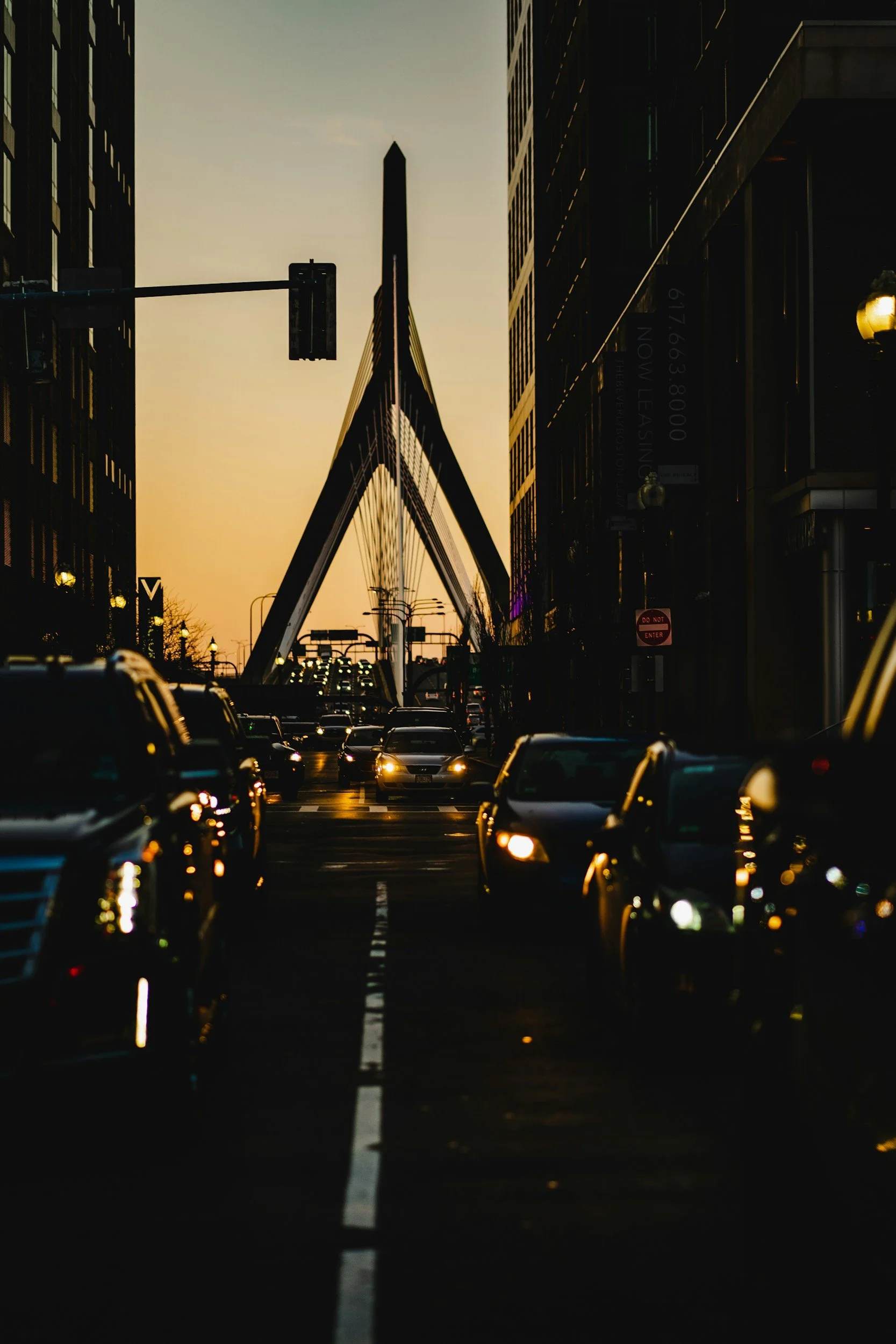
At least the Big Dig took care of the problem
Everyone wants to get somewhere, but hates thinking about the costs and consequences of making that happen
I subscribe to the Boston Globe’s excellent Are We There Yet? newsletter. If you live in the Boston area and want to understand what is affecting how easily you can get from one place to another, you should subscribe.
The lead article a few issues ago was Telling hard truths on transportation costs, by Alan Wirzbicki. Boston famously stopped building new freeways in the early 1970s, after popular protest stopped the construction of the Southeast Expressway. This was a decade before I moved here.
As one of the results, Boston traffic is terrible, currently the fifth worst in the country. This is one reason, aside from the fact that I don’t particularly like driving in general, that I seldom drive anywhere in town. It just doesn’t seem worth it.
But, as Wirzbicki points out, this is partly a consequence of not building any more highways for fifty years. It’s a genuine cost, and affects everyone who lives here. It may be a cost worth paying for not further tearing our urban fabric apart, but it is a genuine cost.
More transit might help, but getting the MBTA to work well and serve more people would be expensive and disruptive. That might be a cost worth paying (I think it is), but no one wants to pay it.
Wirzbicki says “…I’d…like politicians to be honest about tradeoffs.” So would I! But would they get reelected if they gave it to us straight about how much we have to pay for things?
Everyone tries to hide the real cost from themselves…and often succeeds.
A study from a few years ago on how patients used healthcare price transparency tools showed they mostly didn’t (note: this study matched my priors, so I didn’t spend any time interrogating the data). But, of course, health is emotionally fraught, and we find ourselves skipping appointments, not taking our medications, and doing other things that make our health worse, just to avoid thinking about our own mortality, which certainly could contribute to not looking carefully at costs.
Drivers don’t want to internalize the cost of their favored transportation mode either. And by that, I don’t mean the external costs of tire particulate pollution (tire wear produces 2,000 times the pollution of modern car exhausts—so don’t expect electric vehicles, even heavier than current cars, to help), vehicle collisions, decreased health from sitting all the time, and the consequences of flood-increasing paving for parking. I mean the actual bottom-line costs of running and maintaining a vehicle. They’re there in your budget, but hidden in more general expense lines. I will say that I was able to live comfortably on a relatively low income for a long time, mostly by not owning a car. It is expensive.
No one, but no one, wants carbon pricing, probably the simplest and most effective way of providing a carbon cost signal that everyone can adjust to in whatever way is most effective for them. They’ll riot and wear unflattering yellow vests, anything to avoid paying the real cost. And, yes, I know that’s unfair, since suspicions that the costs are being paid by some people but not by others are totally legitimate. Though usually the problem is not that the cost distribution is unfair, it’s that you want someone else to pay more.
A lot of people got hysterical about New York’s congestion pricing. Then it worked, reducing congestion, speeding traffic, raising money for the MTA, and improving foot traffic and reducing storefront vacancies in the affected areas.
If many of us don’t want to know what things really cost, how can anyone get credit for reducing those costs?
So it’s hard to get anyone to pay for anything
This is why Boston’s Mayor Wu and NYC’s new Mayor Mamdani like free buses. It tells people they don’t actually have to pay for anything, and hides the negative consequences of pretending things are free. They both also like rent control for similar reasons. People like to criticize businesses for having a short-term perspective, but they have nothing on many voters.
In general, I ride my bicycle or take the MBTA (Boston’s subway, bus, and ferry system). Under Phil Eng, MBTA service has dramatically improved. Everyone should be happy to pay for this service—and the system does have discounts for those with low incomes—yet many don’t want to. Just pretending it doesn’t cost anything is not a solution.
Boston could do with some congestion pricing of its own. No surprise, Wirzbicki has you covered on that. The benefits in NYC were so clear and so immediate that this, at least, may make it more politically possible.
But, in general, Boston needs to accept that, in order to remain relevant and remain a livable city, it will need to accept paying for more transportation infrastructure at the same time as it is trying to reduce housing costs. The two are so intimately related that working on one requires that you work on the other.
What do you like to pretend you don’t need to pay for?